


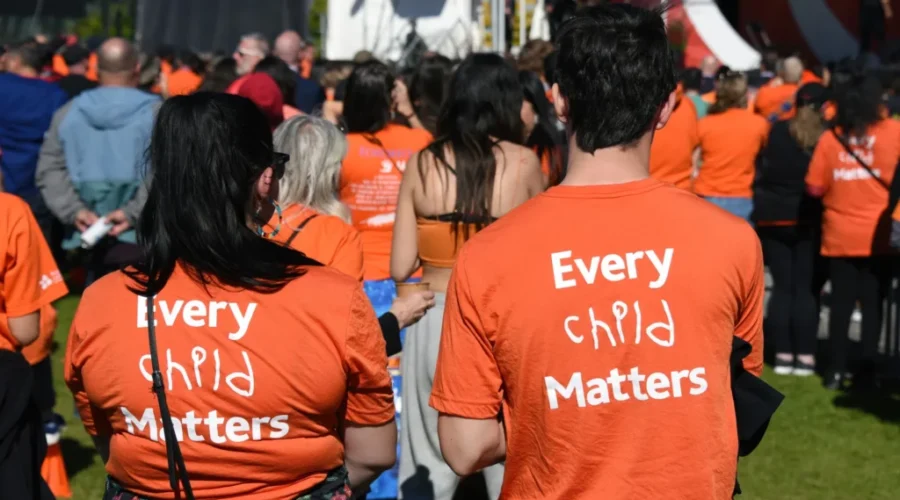
As National Truth and Reconciliation Day approaches, Kids Help Phone is highlighting new resources aimed at helping Indigenous youth access culturally relevant supports and services.
Earlier this year, the nonprofit organization launched an app designed specifically for Indigenous youth. The app features a searchable directory of programs and services, allowing users to find support based on their community, language, or specific needs.
The platform is also designed with northern and remote communities in mind. Many of its resources can be accessed offline.
“The app provides really easy access to our counselling and crisis response service,” said Deanna Dunham, Director of Indigenous Initiatives at Kids Help Phone. “When young people download the app, they have everything right in their hand, even if they might not have the best Internet connectivity.”
The organization has also introduced new virtual reality experiences available through YouTube. The immersive content allows users to explore Indigenous cultural practices and hear teachings from Elders through virtual reality technology.
“We recognize the importance of cultural connection with young people. Having access to the land and its teachings is critically important to mental health. This allows people to put on the headset and take control of the environment, and feel like you’re in a sacred space,” Dunham said.
VR experiences include a mental health chat with Elders at a fishing hole in Nunavik, Quebec, and a talk about belonging at the Oodena Celebration Circle in Winnipeg.
Kids Help Phone has also updated its 12 Ways to Participate in Reconciliation by Taking ReconciliACTION resource, developed in collaboration with the Gord Downie & Chanie Wenjack Fund. The article offers practical ways for young people to take action toward reconciliation and learn about Indigenous histories and languages.
“A big way to show support during Truth and Reconciliation Day is to support Indigenous artists. That means buying artwork, going to cultural exhibits, visiting powwows. TV shows like North of North provide great insights into the lives of Indigenous people and foster a greater understanding of the challenges Indigenous people face as a result of colonization,” Dunham said.
National Truth and Reconciliation Day is observed each year on September 30 to honour survivors of residential schools, their families, and communities, while promoting awareness of the lasting impacts of the residential school system.
Links to the Indigenous youth app and virtual reality experience are available on the Kids Help Phone website.