





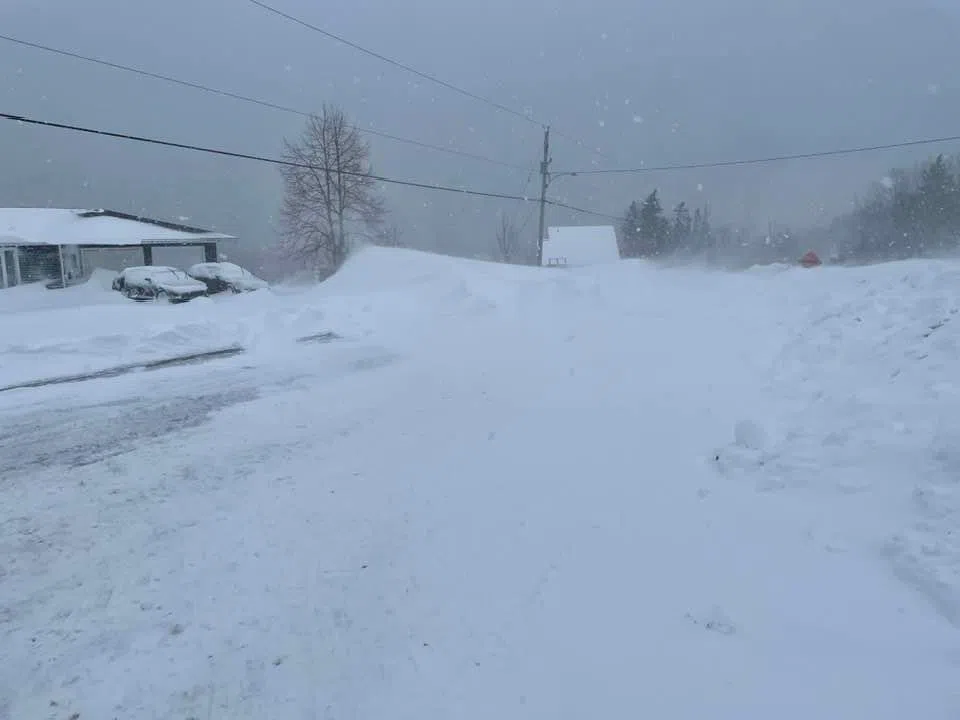
The town woke up to a world erased.
Snow pressed against windows like silence made visible. Streets were empty, storefront lights dark, Closed signs hanging with a kind of finality usually reserved for holidays or heartbreaks. Even the bakery stayed dark—an unmistakable sign this was no ordinary winter day.
But in one house, before dawn, an alarm still rang.
He listened to the wind for a moment before getting out of bed, the kind of wind that sounds alive, angry, determined to win. Coffee brewed while the radio—his radio—murmured forecasts no one wanted to hear. Roads impassable. Travel not advised. Stay home if you can.
If you can.
He bundled up, the ritual automatic now, decades of mornings like this etched into muscle memory. The car protested, groaning awake under a crust of ice, headlights cutting narrow tunnels through the white. There were no other taillights. No oncoming traffic. Just him, the storm, and the long, careful drive to a building that would be dark except for one room.
The station.
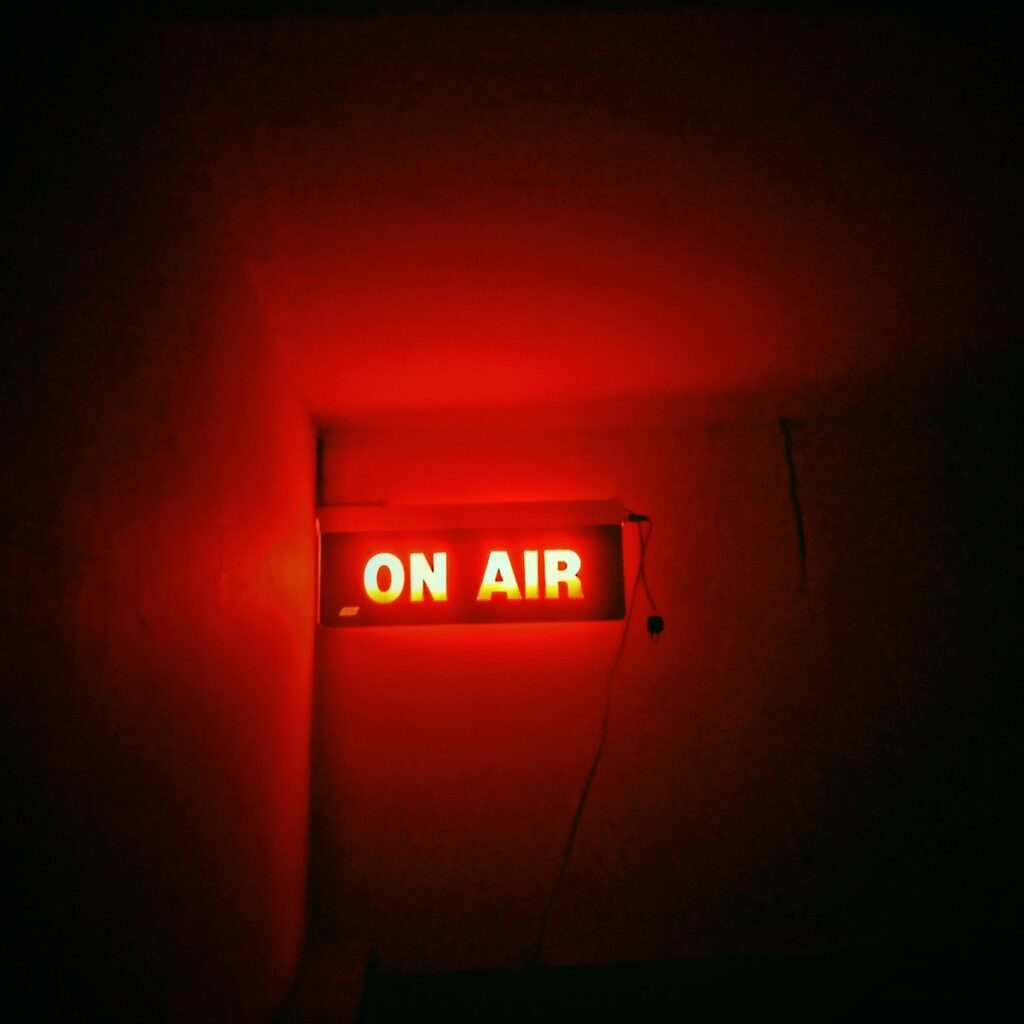
Inside, the heat hummed, the red ON AIR light glowed like a promise kept. He shrugged off his coat, tapped the microphone, cleared his throat, and smiled—because smiling matters, even when no one can see it.
“Good morning,” he said, his voice warm, steady, familiar. “If you’re still tucked in, you made the right call. If you’re up with me, you’re not alone.”
Somewhere, a plow driver turned up the volume. A nurse poured a fresh coffee. Someone stranded at home felt the quiet crack just a little.
He played the old songs—the ones that remind you winters end, storms pass, and mornings return. Between tracks, he laughed gently at the weather, read school closures that felt redundant, and reminded people to check on neighbors, to stay safe, to take it slow.
Outside, the storm kept raging.
Inside the booth, a voice stayed on.
Because even when everything else shuts down, someone still has to say good morning.