




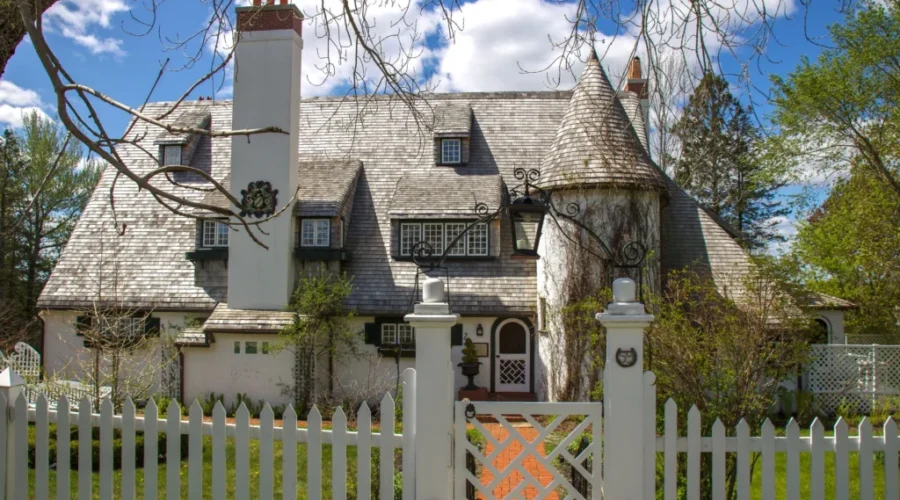
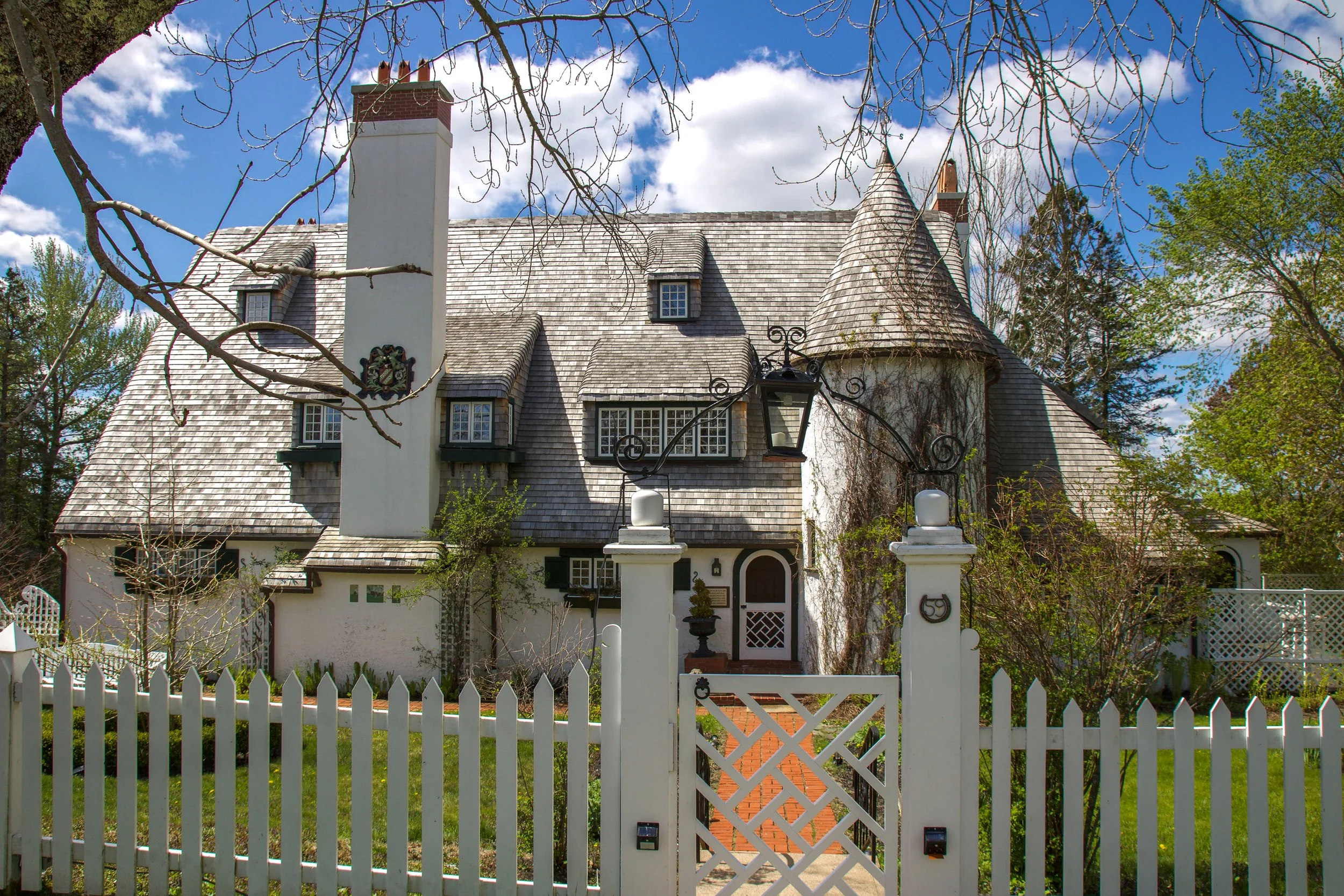
Pansy Patch in St. Andrews
Here are ANOTHER 10 unbelievable facts about Charlotte County that will blow your mind!
1: St. Stephen was once a hub for ship building. The last tall ship built in St. Stephen was ‘The Rocklands’. It was launched on October 1st, 1878.
2: Designed by Sir William Van Horne himself, Covenhoven on Ministers Island was constructed of red sandstone quarried on the island and was originally relatively small. Between 1892 and 1901, Van Horne continued to expand; making two major additions to the house, with an eventual floor space of 10,000 square feet.
3: Did you know that there is an eastern white pine near the St. Croix River, in the area about half way between the Ledge Loop Road and Bayview Lane, that’s one of the thickest trees in Charlotte County? It has a girth of 3.47 meters (11.38 feet) around.
4: After the American Revolution, the Passamaquoddy Bay was the scene of a thriving smuggling trade. Smuggling peaked in 1808 during Jefferson’s Embargo, when smugglers illegally moved tens of thousands of barrels of American flour from American territory into New Brunswick.
5: Basking Sharks, which inhabit the Passamaquoddy Bay during the summer, travel as far south as Cuba every winter.
6: The famous “Pansy Patch” in St. Andrews, constructed in the French Romantic Revival style with its stucco walls and tower, was built in 1913.
7: The Anglican Church at 30 Prince William Street in St. Stephen was built in 1863. It was one of the largest and most architecturally ambitious churches built in New Brunswick during that time period.
8: Guarding the eastern entrance of the harbour, Pea Point Lighthouse has stood since 1878; nearly 100 years before the village of Blacks Harbour was incorporated.
9: By 1803, the Registrar of Probate, Donald MacDonald, placed the number of sawmills in our county at 22, with a total yearly production of 7,700,000 board feet.
10: Although mostly forgotten now, an object found not far from the shores of Lake Utopia caused quite a global uproar in the 19th century! Found by a local stone mason in the fall of 1863, who was collecting rocks to build a fireplace. When he turned over a granite stone and removed the moss from its surface, he was surprised to find the faint profile of a face carved into it. The “Lake Utopia Medallion”, as it eventually became known, now resides in the collection of the New Brunswick Museum.