





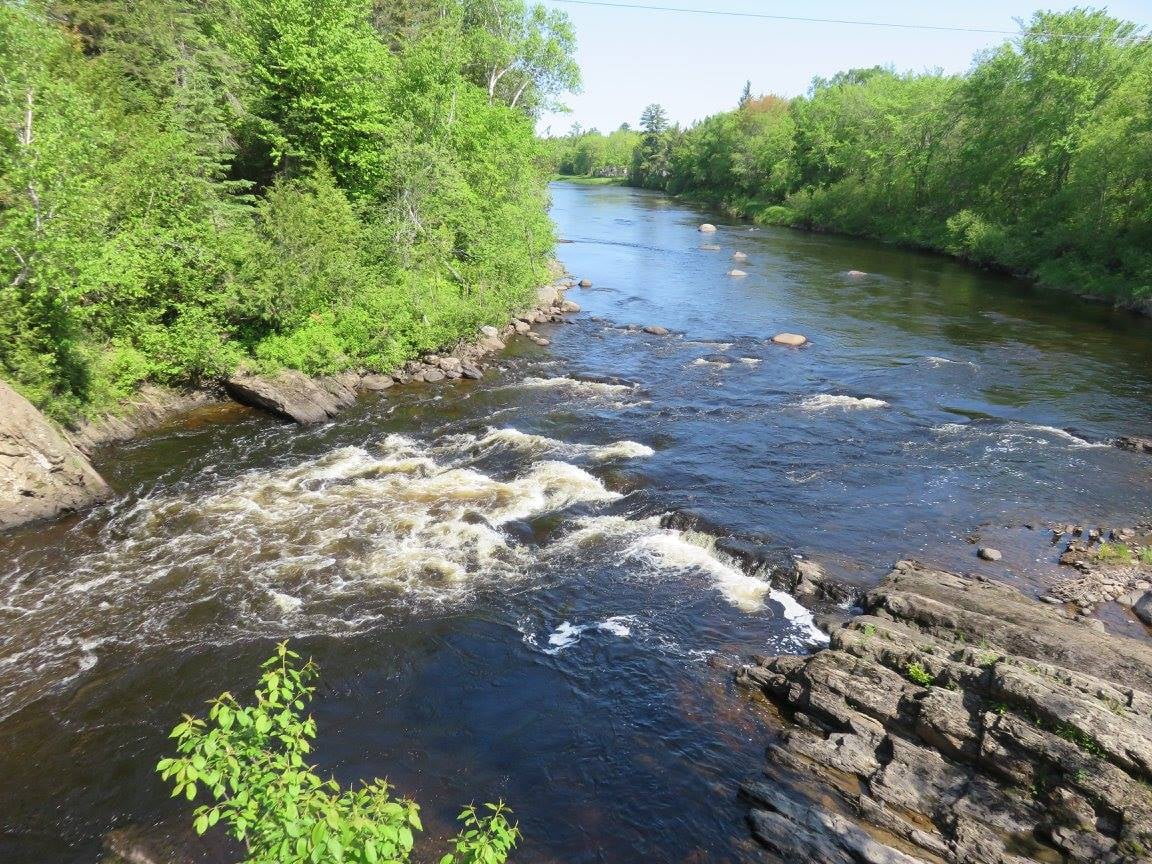
Magaguadavic River
Did you know that in Piskahegan, there still lies the remnants of a once-thriving lumbering community? Along the River Road are the remains on a long-abandoned dirt road (a stagecoach road built in the late 1700’s), which hosts the scattered remnants of a blacksmith shop and the blacksmith’s home, along with the cellar holes of at least 5 more homesteads. This road stretched from Fredericton to St. Andrews and was a critical line of communication, especially during the War of 1812, leading to the construction of a military blockhouse in Piskahegan in 1812. It served as a primary stagecoach route (meaning it was travelled by coach in stages), with “post houses” established every 40 miles or so for changing horses and letting passengers rest. Travel by stagecoach was slow and dangerous by modern standards, often taking over a day to travel between major points.
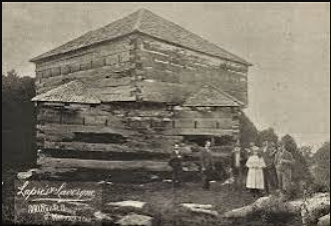
vintage photo of the Block House in Piskahegan
The road facilitated settlement in the area, with land grants issued to former soldiers of the War of 1812 along its path. This lead to the communities peak between 1812 and 1912. The main factor in the decline of the settlement is argued to be the closure of the local school in either 1900, or 1901. This led many families with children to leave the area. An epidemic of diseases had also struck the area in the 1890’s.
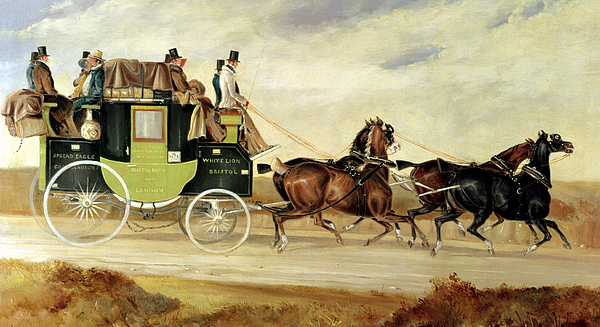
an example of a vintage horse-drawn stagecoach
While the small settlement didn’t have a general store, it did have mail service!
There are also several tiny, but scattered burial places throughout the Piskahegan area; at least one of which, at the old Corning farm, is clearly identified by its weathered engraved stones.