



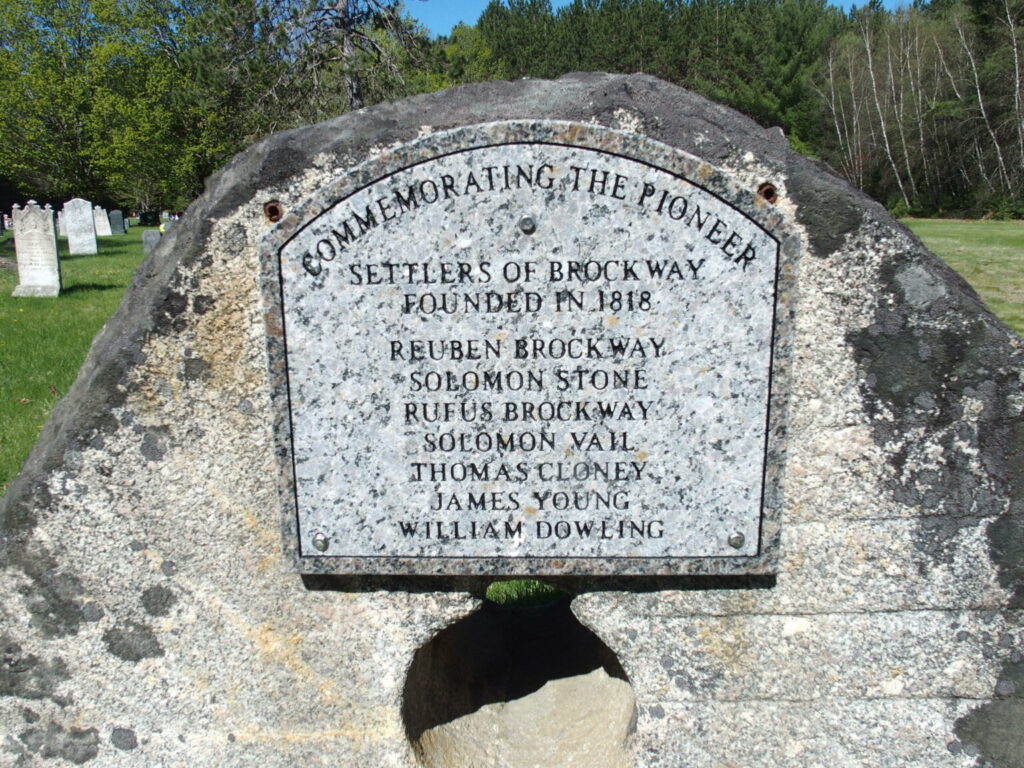
In early 1818, Reuben Brockway made his way north from New Hampshire with his wife Anne and their children and began building a homestead and mill on the banks of the Magaguadavic River. He was later joined by others, including James Young of St. George in 1834, who relocated to become the village blacksmith. The Brockway cemetery, which is still in use, sits on land donated by Reuben for the purposes of building a cemetery after Anne passed in 1841. A millstone from the original Brockway family mill which burned down in the 1800’s was recovered from the site in 1955 and now stands in the Brockway Cemetery as a memorial to the original pioneer settlers of the area.
Three early enterprises in Brockway were a lumber mill; built at lower Trout Brook, a shingle factory and also a small match factory. The first church was built in 1890. In the early days, oxen were a common sight in Brockway, helping with the movement of lumber and provisions. Provisions which were often brought up the Magaguadavic on skiffs that were poled up river from St. George. Mail would be delivered sporadically from Fredericton in the early days by horse.
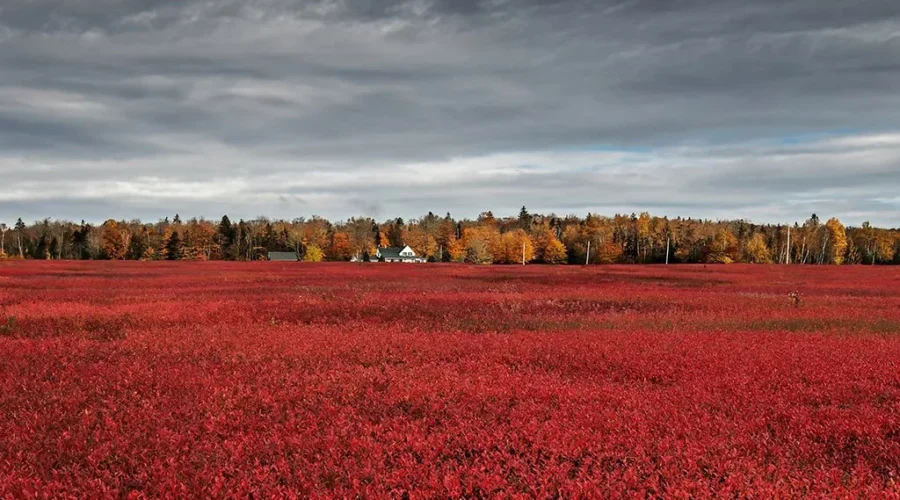
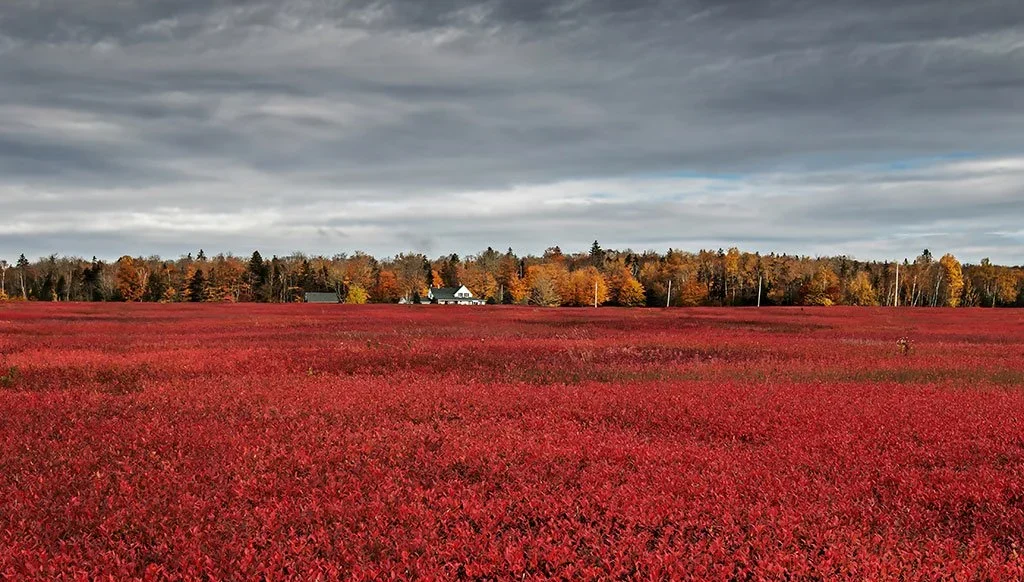
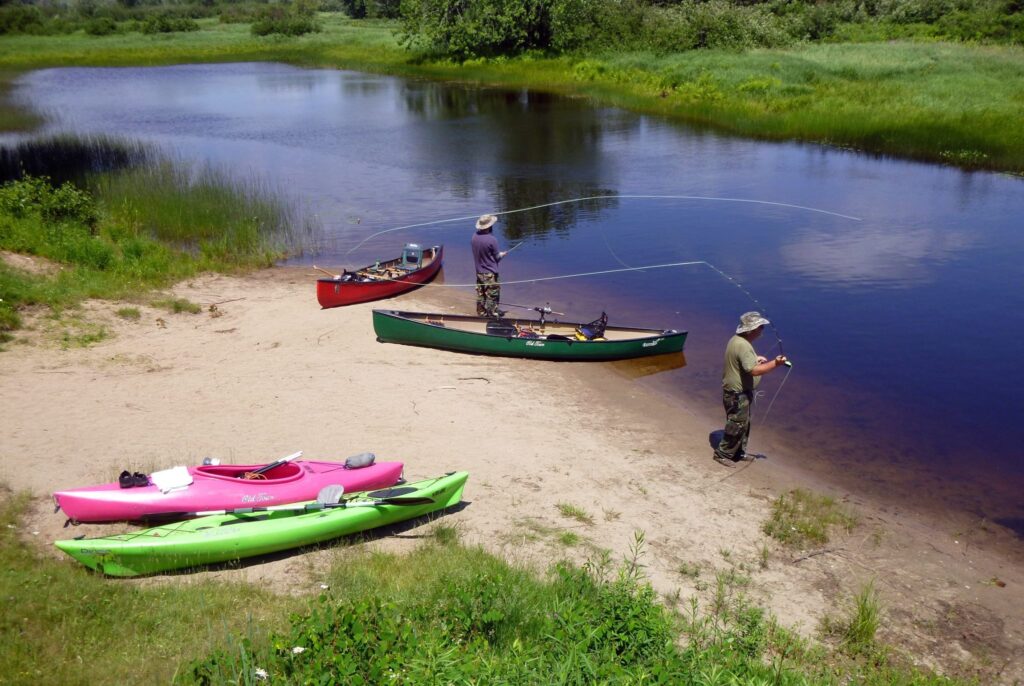
Today, Brockway is mostly known for its sprawling wild blueberry fields. It’s also a popular place for fishing and paddling.
Although technically a part of York County; Brockway’s early connection to Charlotte County as well as its later importance as a key stage-coach checkpoint between our county and the capital city of Fredericton in the late 1800’s, its proximity and the fact that the Magaguadavic runs directly through it make it an “unofficial” part of our Charlotte County family in the eyes of many locals.