



Canada’s annual inflation rate climbed to 3.1 per cent in September, driven largely by a sharp increase in gasoline and other energy prices.
New figures released by Statistics Canada show inflation edged up from three per cent in August, pushing the rate slightly above the Bank of Canada’s target range of one to three per cent.
Gasoline prices were 27.8 per cent higher than a year earlier, compared with an annual increase of 22.8 per cent in August.
Heating oil and other fuels saw an even larger increase, with prices jumping 57.8 per cent over the past year.
Statistics Canada says higher crude oil prices, driven in part by uncertainty surrounding conflicts in the Middle East, contributed to the rising costs.
Overall energy prices increased 19 per cent compared with September 2025.
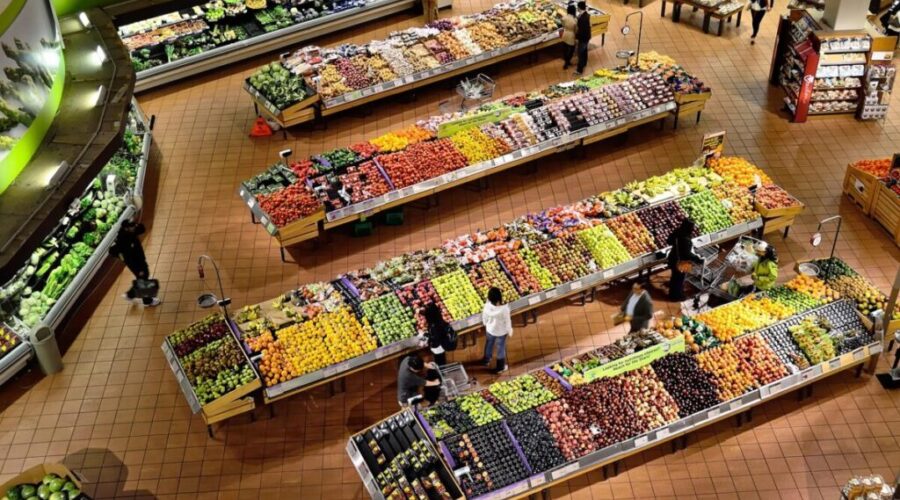
Despite the increase in overall inflation, there was some relief for Canadians at the grocery store.
Food purchased from stores increased 1.7 per cent over the past year, down from 2.8 per cent in August. That marked the slowest annual increase in grocery prices since May 2024.
Prices for fresh vegetables fell 2.9 per cent, while beef prices continued to rise, increasing 8.7 per cent compared with a year earlier.
However, grocery prices remain significantly higher than they were several years ago, having climbed 33 per cent since September 2020.
Housing costs also continued to rise, although at a slower pace than overall inflation.
Shelter prices increased 1.8 per cent over the past year, while rents climbed 2.8 per cent.
When gasoline prices are excluded, Canada’s inflation rate actually slowed to 2.2 per cent in September, down from 2.4 per cent in August.
The figures suggest much of the latest increase in inflation is being driven by energy rather than widespread price increases across the economy.