




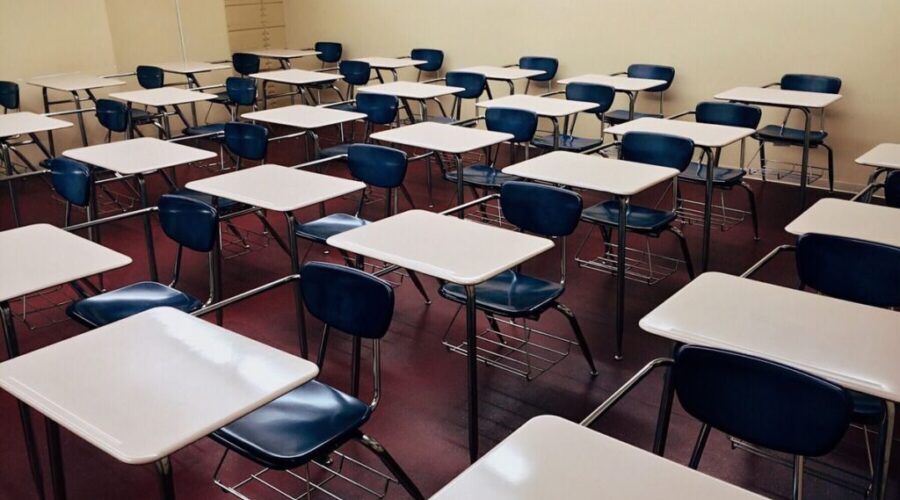
The first week of classroom jitters is over, and teachers are getting down to business.
School officially began last week for the majority of students and teachers across the province.
President of the New Brunswick Teachers Association Heidi Ryder told our newsroom that faculty were excited to welcome students back into the classroom, but questions remained surrounding staffing levels and other challenges facing schools.
“We’ve heard from administrators and superintendents that there are fewer unfilled positions than they would have had in other years,” Heidi Ryder told our newsroom.
But she didn’t expect a clearer picture until classes were underway and staffing data was finalized.
“We really probably won’t know until we start to get that data on who our teachers are and where they are,” she said. “It’s just as important for us to make sure that those positions are filled with certified teachers.”
Ryder expects implementation to be a major theme for the year ahead. This comes following several significant education policy developments over the past year, including the province’s teacher recruitment and retention plan, the education plan, and a new collective agreement.
The association plans to monitor how those initiatives are carried out and whether they provide teachers with more time to focus on professional work and supporting students.
Ryder also said workload and preparation time remain important topics for teachers despite the recently negotiated contract. She pointed to early results from a calendar pilot project last year that introduced additional professional practice days in some schools.
According to the association, teachers who participated in the pilot reported more opportunities to collaborate with colleagues and prepare for diverse needs of students.
Looking ahead, Ryder said educators hope to spend more time examining student assessment data that reflects individual growth rather than comparing one group of students to another.
“There are just so many factors that impact assessment,” she said. “We’re looking forward to being able to really drill down and take that holistic view and be able to better serve our students.”
While some school districts have experienced growing enrolment in recent years, Ryder believes that trend is beginning to level off.
“I think we’re starting to see it flattening a bit,” she said.
Stricter cell phone use restrictions in classrooms this year
Ryder said teachers generally support the intent of the policy but noted that implementation will be key.
“It’s one thing to have it on paper, and then it’s another to see how it plays out in real time,” she said.
She expects discussions to continue around practical issues, particularly in high schools where students increasingly rely on digital tools to complete assignments and communicate through online platforms.
“There’s going to be that equity conversation as well,” Ryder said, noting some students depend on their phones because they do not have access to other devices.
The broader challenge, she added, extends beyond schools.
“When we talk about addiction to cell phones, it’s not just about youth. We as adults are all attached to that device,” she said. “It’s really a societal issue.”