




Saint John Energy has launched Plug‑In Labs, an online tool that gives researchers access to real data from the city’s smart grid.
The utility said the platform is the first in Canada to give outside innovators secure, managed access to a utility’s near‑real‑time system data.
Plug‑In Labs is built on Saint John Energy’s digital twin, a virtual model of the city’s electricity system.
It lets researchers, students and companies test ideas and run simulations in a safe online environment.
The platform helps users explore how devices, buildings or renewable projects would behave on the grid before anything is built.
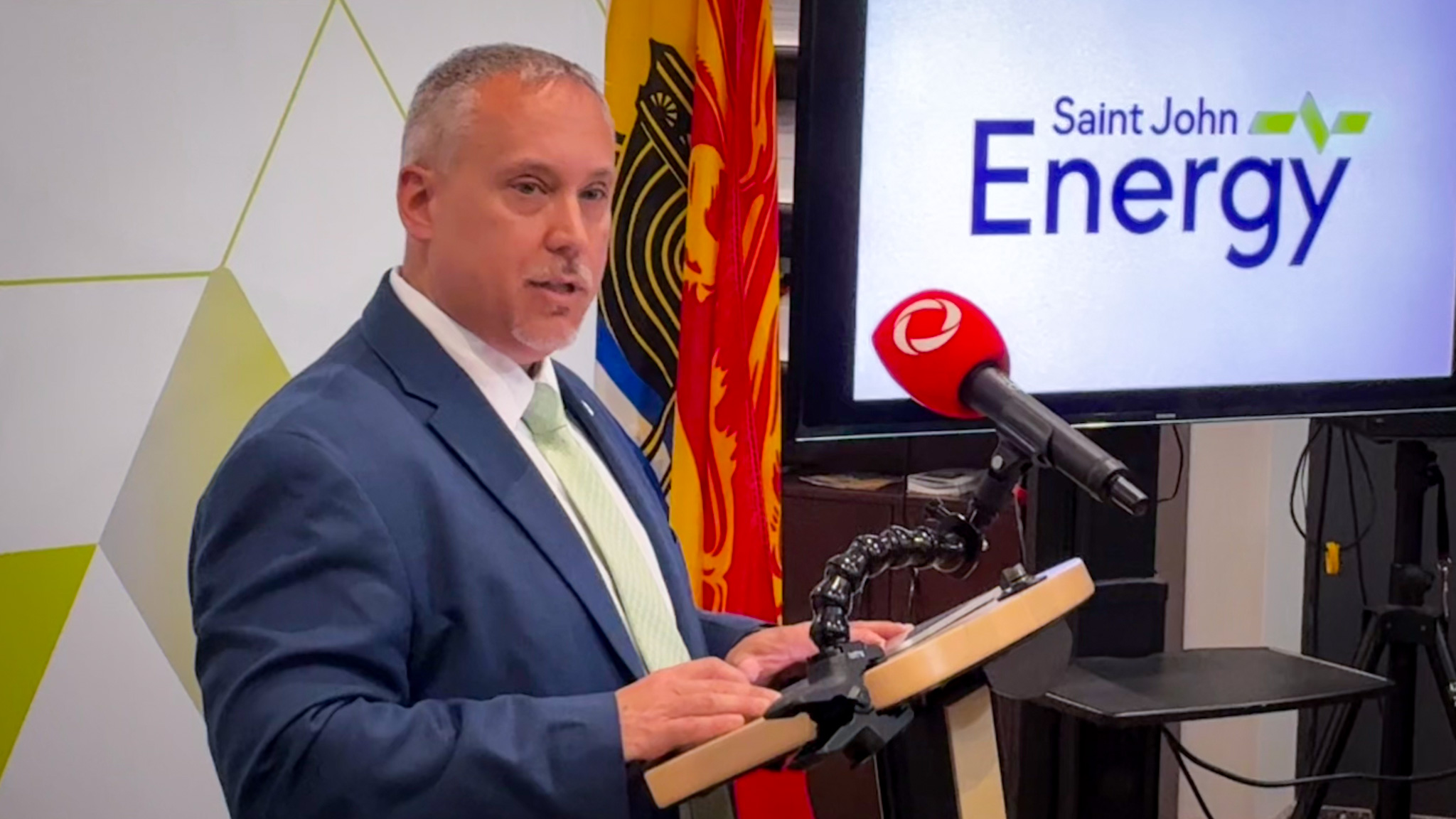
President and CEO Ryan Mitchell said the project builds on years of work to modernize the grid and prepare for a low‑carbon future.
“For more than a century, our core responsibility has been to provide safe, affordable and reliable electricity,” Mitchell said.
“But we have also believed that utilities have a responsibility to keep improving, to look ahead and to prepare for what comes next.”
Mitchell said the digital twin created through the utility’s Zero30 initiative made Plug‑In Labs possible.
Real data is key
Saint John Energy says the platform addresses a long‑standing challenge in the energy sector.
Glen Fillmore, the utility’s vice president of strategic growth and transformation, explained that innovators could build models but rarely had access to real utility data.
“The challenge has always been having access to real data of how the energy system works and how the energy system responds to certain things,” Fillmore said.
“And that’s what we’re making available today.”
Jodi Stringer, P.Eng., dean of engineering technologies at NBCC Saint John, said real information is essential for accurate modelling.
“We actually need to be able to have access to that real data in real time and calibrate,” Stringer said.
“Having access to the real data allows us to make those models much more efficient and accurate.”
Plug‑In Labs is already being used by Concordia University’s Next Generation Cities Institute and by NBCC at its Grandview Avenue campus in Saint John.
Concordia researchers are using the platform to model residential building retrofits and test demand‑response strategies that could reduce peak electricity use.
NBCC is connecting its Clean Energy Park, a microgrid with solar, wind and battery storage, to the digital twin.
The goal is to study how small‑scale systems interact with the wider grid.
Stringer said the partnership gives students hands‑on experience with real‑world data while helping the utility plan for future renewable projects.
Academic and industry partners say the move is significant
Dhirendra Shukla, executive director of innovation and entrepreneurship at the University of New Brunswick, said the decision to open real utility data to outside problem‑solvers is rare in the energy sector.
“What makes this special is a major infrastructure player like Saint John Energy stepping up and saying, ‘Come in and be part of this innovation journey,’” Shukla said.
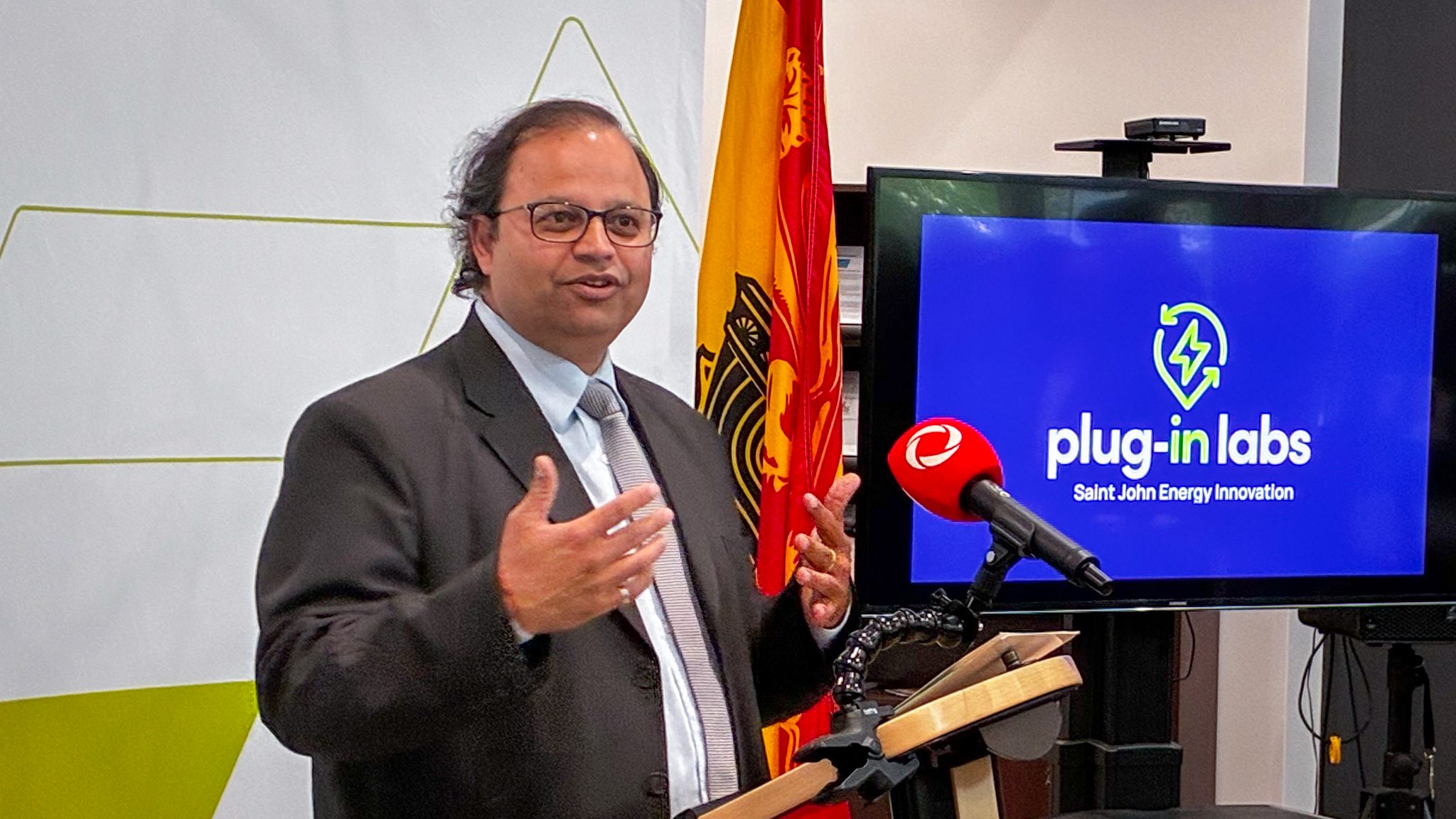
He called the move “brave,” noting that most utilities avoid opening their systems because of perceived risk.
“The entire world is going to come to Saint John with that same innovative spirit and ask how they can work here,” he said.
Saint John Energy said the platform was made possible through earlier work with Deloitte Canada and Awesense, whose technology helped build the digital twin at the heart of Plug‑In Labs.
Their work through the Zero30 initiative brought together multiple data sets and created the modelling tools now used by researchers.
Part of the Zero30 roadmap
Saint John Energy said Plug‑In Labs is the latest step in its Zero30 plan.
It’s the utility’s roadmap for how it might reach net‑zero emissions and help customers do the same.
The initiative has included new renewable generation, utility‑scale battery storage and the development of the digital twin, now at the centre of the platform.
Ryan Mitchell said opening the data to outside problem‑solvers will help drive new ideas and economic growth.
“They create opportunity. They create jobs. They build expertise. They attract investment,” he said.
“Saint John becomes a place where energy solutions are developed for Canada and beyond.”