



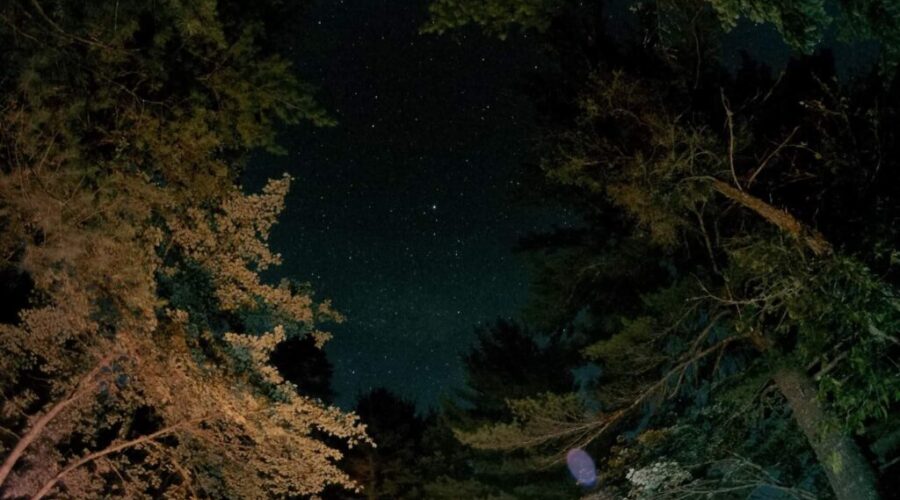
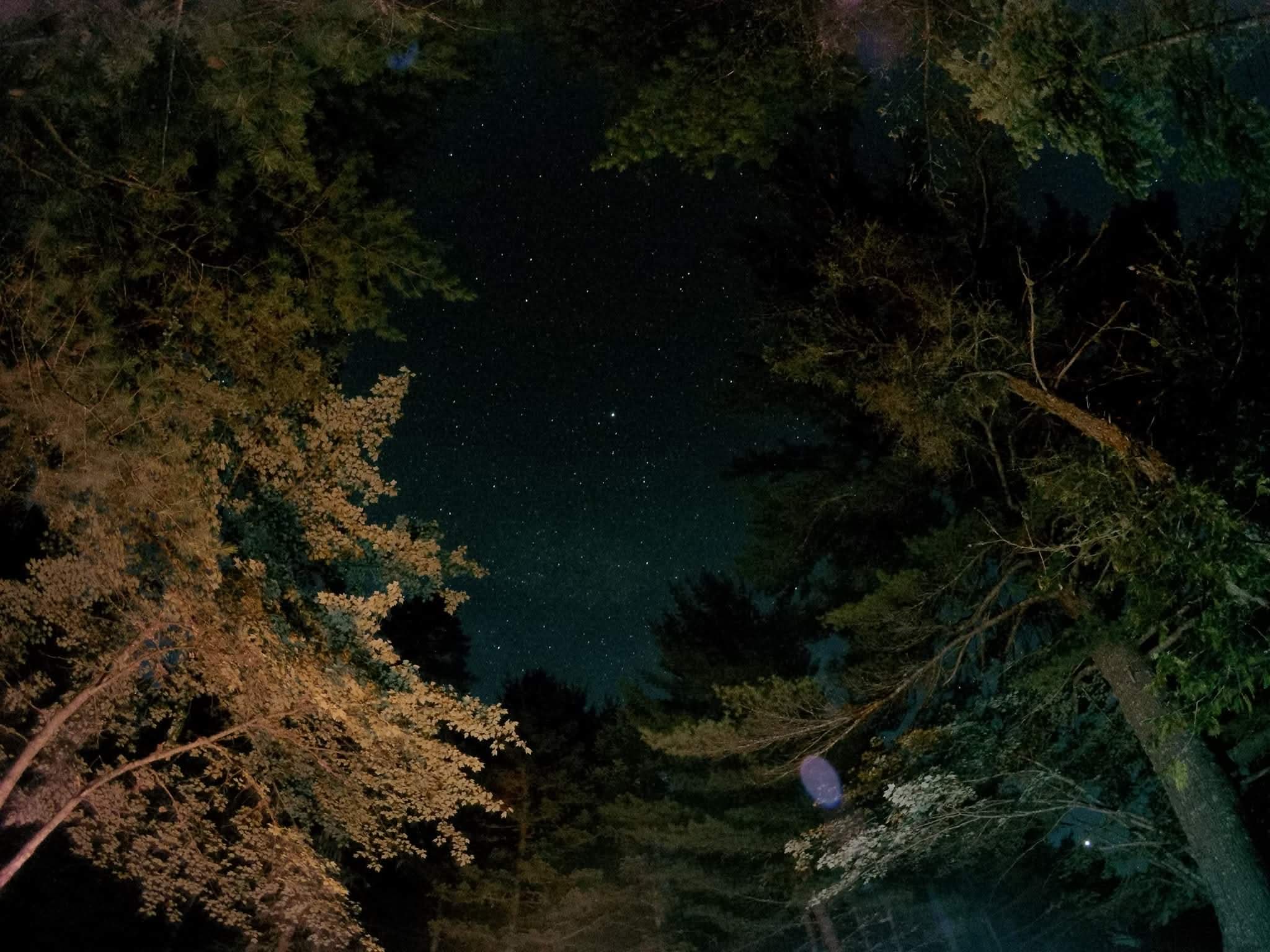
photo by Cory Morrow
As the month with the longest nights of the year, December offers some spectacular opportunities to sky gaze! And you don’t always need a telescope to take advantage! Starting off the show on December 4th, “The Cold Moon” is one of the traditional names for the first Full Moon in December in the Northern Hemisphere. For the second month in a row, this is also a Supermoon, with the moon coming the closest to Earth that it does during its orbit! This results in the moon appearing roughly 14% larger in the night sky, especially as it first rises over the horizon.
The third week of December will see three separate meteor showers visible from our area. Watch for the Geminid Meteor Shower to peak the night of December 14th. The Comae Berencid Meteor Shower peaks December 16th. And we’ll be in optimal position for the The Ursid Meteor Shower peaking December 22nd, as our region will be facing directly toward the oncoming meteors, which should result in some long tails as the meteors burn up directly above us!
Another big event set to happen this month is a visit from comet, 3I/ATLAS. Only the third known object to ever pass through our solar system from interstellar deep space, it will pass its closest distance to Earth on December 19th, at a safe distance of 269 million km away.
December 20th marks the final new moon of 2025, with the winter solstice descending on us the following day on December 21st. This marks the shortest day of the year, with the longest night of the year. The good news is – that means every day after that gets slightly longer!
So watch the skies this December for more than just a jolly man in a red suit!